
Textile Supply Chain and Sustainability Management
The textile industry is one of the sectors with the most complex supply chains worldwide. From the production of raw materials to the final consumer, the process involves numerous stakeholders, locations, and operations. Managing these processes effectively, transparently, and sustainably is of great importance both environmentally and economically. Particularly in the context of the global climate crisis, human rights, and environmental responsibilities, brands now have to focus more on their supply chains. At this point, specialist consultancy firms such as Sustex Global Compliance Audits & Sustainability Consulting step in to guide textile companies.
What is the Textile Supply Chain?
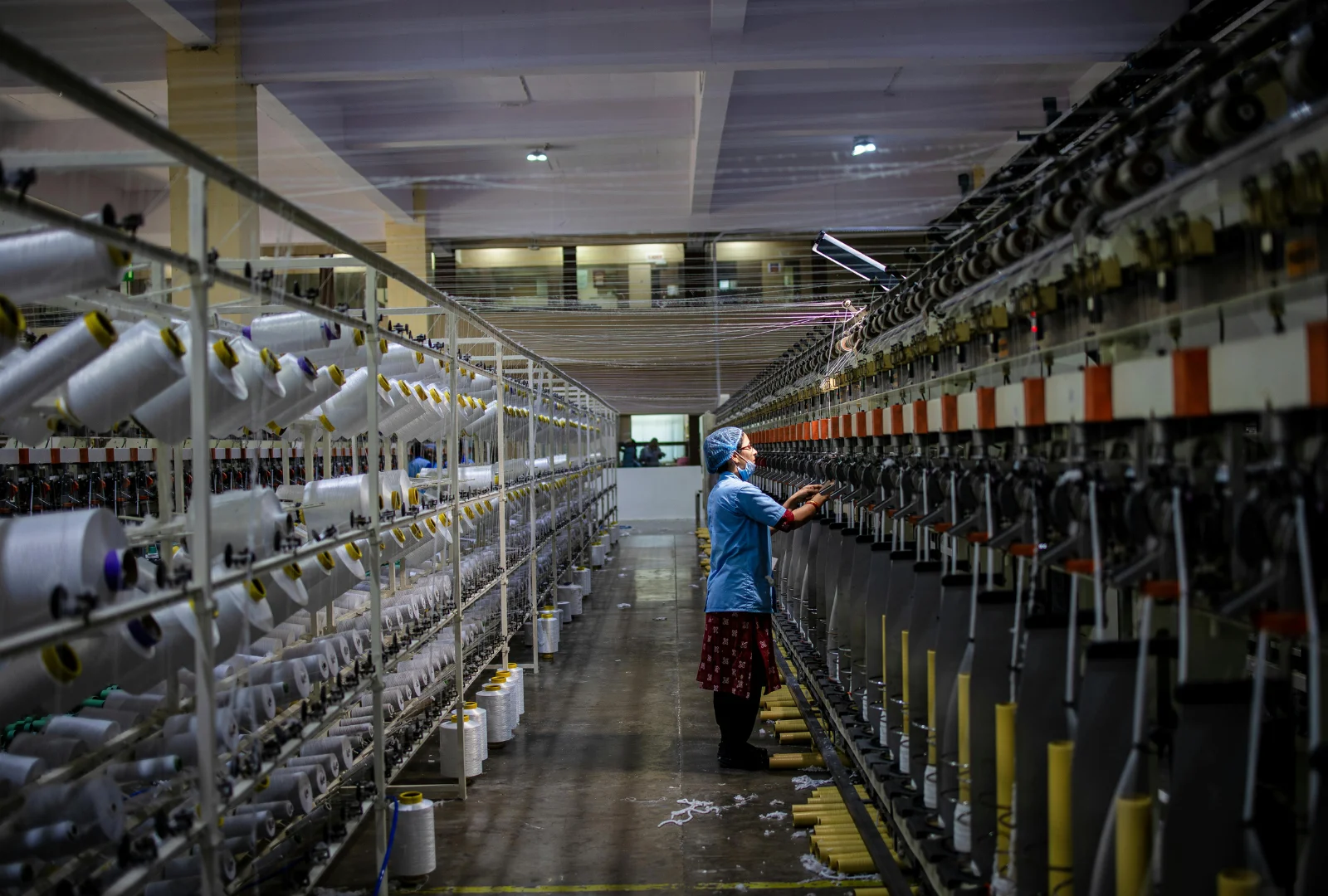
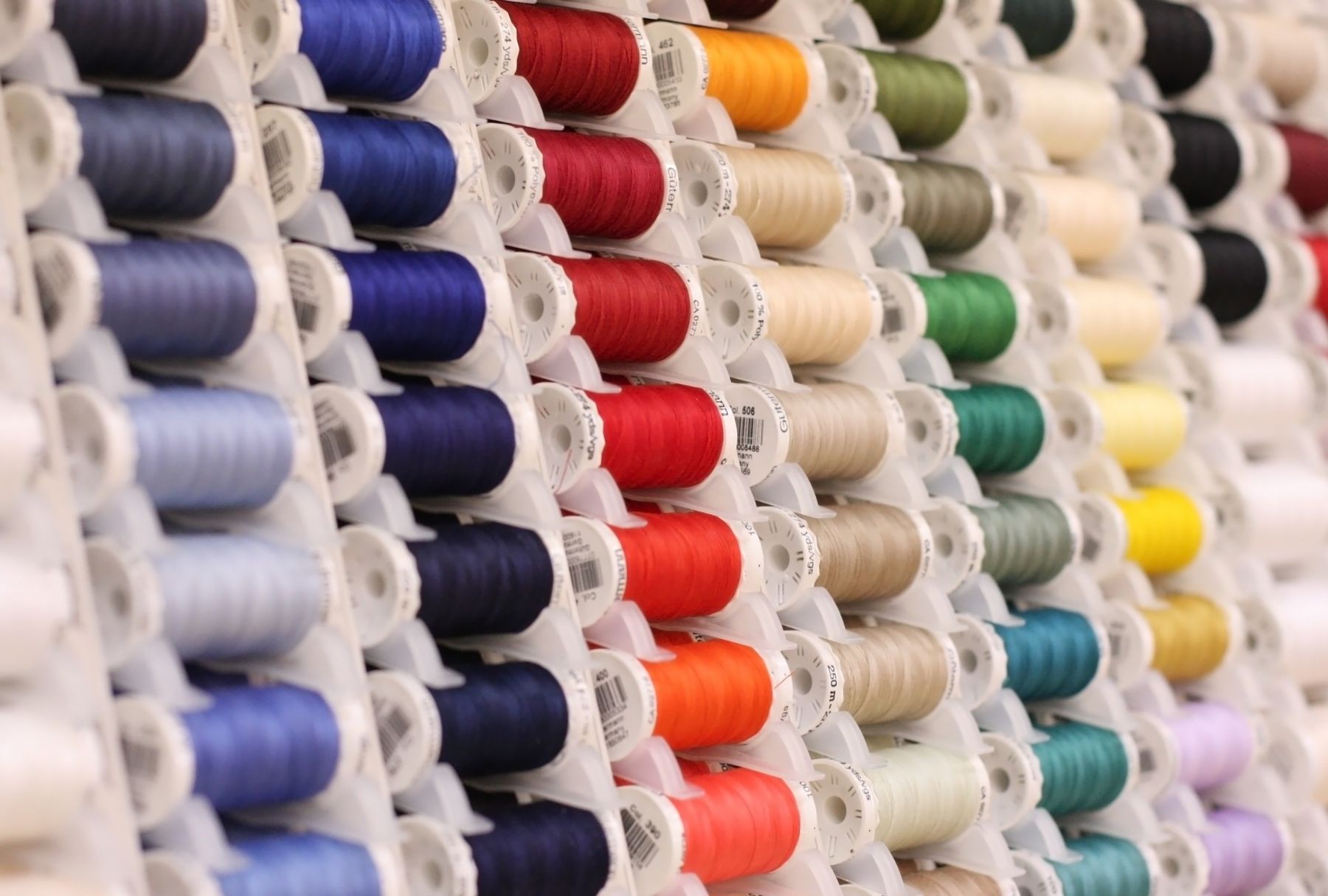
The textile supply chain encompasses a multi-layered structure ranging from the production of raw materials such as cotton, polyester, and viscose to yarn and fabric manufacturing, from dyeing plants to garment workshops, and from logistics operations to retail outlets.
Key factors at every stage include:
- Quality control
- Sustainability
- Legal compliance
- Time management
- Cost efficiency
A disruption at any point in the chain can negatively affect the entire system.
Key Objectives of Supply Chain Management
The key objectives of supply chain management for a textile brand are:
- Cost Control: Reducing costs in material procurement, production, and distribution.
- On-Time Delivery: Completing orders on schedule and delivering them to customers.
- Quality Assurance: Ensuring quality standards are met at every stage.
- Legal Compliance and Auditing: Full compliance with national and international regulations.
- Sustainability and Social Compliance: Reducing environmental impact and protecting employee rights.
Supply Chain Challenges in Textiles
Supply chain management in the textile sector faces multiple challenges, such as:
- Supplier Fragmentation: Different components sourced from various countries.
- Lack of Transparency: Weak traceability throughout the supply chain.
- Labour Standards: Rights violations and lack of oversight in East Asian countries.
- Global Risks: Pandemics, wars, or natural disasters disrupting the chain.
- Regulatory Compliance: Adapting to environmental rules such as the EU Green Deal.
What Should Be Done for a Sustainable Supply Chain?
Sustainability is no longer just an environmental approach but a commercial necessity. Strategies for a sustainable supply chain include:
- Supplier Audits and Certification: Ensuring compliance with GOTS, OEKO-TEX, BSCI.
- Digital Traceability Systems: Tracking every stage of production digitally.
- Carbon Footprint Measurement: Calculating emissions from production to logistics.
- Waste and Water Management: Especially critical in dyeing plants and denim production.
- Training and Supplier Development: Raising supplier awareness on sustainability.
Professional Consultancy with Sustex Global
Professional support is essential for managing this complex structure sustainably. Sustex Global Compliance Audits & Sustainability Consulting is a leading company providing consultancy to textile firms.
Its services include:
- Supplier audits and social compliance reporting
- Sustainability strategy development
- Corporate carbon footprint calculation
- International certification process management
- Supply chain risk analysis
- EU Green Deal compliance projects
Sustex Global offers tailor-made solutions for both SMEs and global brands, aiming to create a world-class sustainable supply chain.
Contact: +90 533 373 40 00
Website: www.sustexglobal.com
Digitalisation and Data-Driven Supply Chain Management
Digital transformation in the textile sector makes supply chains more predictable and measurable. Large brands optimise order planning, inventory management, and production through AI-powered systems.
Key tools include:
- ERP and SCM Software: Centralised monitoring of processes.
- Blockchain-Based Tracking: Transparent and tamper-proof data flow.
- Real-Time Reporting: Instant production and shipment data for dynamic decisions.
The Importance of Brand Value and Consumer Trust
Consumers today demand to know the conditions under which their products are made. Transparent supply chain management builds consumer trust and strengthens brand loyalty. In European and North American markets, sustainable production is no longer optional but an expectation. Thus, supply chain management directly affects brand value.
Conclusion: Sustainable Supply Chain is the Key to Competition
For companies aiming for a competitive edge in the textile industry, sustainable and efficient supply chain management is now a necessity. Restructuring the entire chain with expert consultancy ensures resilience in global markets. Sustex Global Compliance Audits & Sustainability Consulting stands out as a reliable partner in this transformation with its expertise and sectoral experience.